



The Allure of Casino Atmosphere
The environment of a casino is meticulously crafted to engage the senses and evoke certain emotions. Bright lights, vibrant colors, and the sounds of clinking coins and spinning wheels create an atmosphere that is exhilarating. This sensory overload is designed to keep players in a heightened state of excitement, drawing them into the gaming experience. The layout often encourages exploration, promoting a sense of adventure as patrons navigate through a maze of games and entertainment options, including the chance for big wins at an instant withdrawal casino australia that offers quick payouts. Each element, from the plush carpets to the strategic placement of machines, is intended to create an immersive experience that keeps players invested in their surroundings.
This carefully curated ambiance is no accident; psychological research reveals that the sights and sounds of a casino can trigger a release of dopamine, the brain's reward chemical. This response can lead to feelings of pleasure and anticipation, prompting individuals to spend more time and money in pursuit of that next big win. In essence, the casino environment acts like a finely tuned machine, curated to maximize player engagement and retention. Many players find themselves entranced by the excitement, often losing track of time as they become enveloped in the atmosphere.
Moreover, the social aspect of gaming enhances the overall experience. Gamblers often find themselves in proximity to others who share similar interests, creating an environment of camaraderie and shared experiences. This social interaction can amplify the excitement of the games and contribute to the thrill of the win, reinforcing the emotional high that accompanies gaming in a casino. Ultimately, this combination of sensory stimulation and social engagement plays a critical role in drawing players into the casino experience, making it much more than just a place to gamble.
The Psychology of Risk and Reward
The concept of risk and reward lies at the heart of casino gaming. Players are drawn to the potential for large payouts, which can elicit feelings of hope and excitement. The unpredictability of gambling taps into our natural curiosity and desire for adventure. This relationship between risk and reward is deeply rooted in human psychology, as individuals often find themselves compelled to chase the exhilaration that comes from placing a bet, even in the face of potential losses. The thrill of the unknown can be intoxicating, making it difficult for players to resist the urge to gamble.
Additionally, the various types of games available at casinos cater to different risk appetites. Some players may gravitate toward high-stakes table games, while others might prefer the more controlled environment of slot machines. The choice reflects individual psychological profiles, indicating how different players perceive risk. Those who are more risk-averse might enjoy games with lower stakes, while thrill-seekers may prefer the adrenaline rush of high-stakes gambling. Understanding these preferences can provide insights into player behavior and decision-making processes.

The illusion of control also plays a significant role here. Players often believe they can influence the outcome of games through skill, strategy, or even superstitious rituals. This belief can intensify their engagement, as the desire for agency in uncertain situations is a powerful motivator. The notion that one can affect the outcome of a game, even in games of chance, leads to increased participation and investment. Understanding this psychological interplay of risk and reward is essential for grasping why individuals feel compelled to engage in casino gaming, despite the inherent risks involved.
The Influence of Cognitive Biases
Cognitive biases shape our perceptions and behaviors in various aspects of life, and casino gaming is no exception. One of the most prevalent biases is the "gambler's fallacy," where players believe that past outcomes will influence future results. For example, if a roulette wheel lands on red multiple times in succession, some players may wrongly assume that black is "due" to come up next. This fallacy can lead to increased betting and a greater willingness to take risks, often resulting in significant losses. Recognizing this bias can be crucial for players aiming to make informed decisions.
Another cognitive bias frequently encountered in casinos is the "illusion of control." Many players think they can influence the outcomes of games, especially those involving a degree of skill, like poker or blackjack. This belief can lead to overconfidence and larger bets, as players feel empowered by the notion that their decisions will determine their success. However, this illusion often blinds them to the underlying randomness of many casino games. Awareness of this bias can help mitigate impulsive behavior and foster a more rational approach to gaming.
The "availability heuristic," where individuals judge the likelihood of an event based on how easily they can recall similar instances, is also relevant. For instance, if someone hears about a big jackpot winner, they may overestimate their own chances of winning, leading to compulsive behavior. These cognitive biases not only influence the decisions players make but also contribute to the broader understanding of gambling addiction and the psychological traps that can ensnare individuals in the cycle of gaming. Understanding these biases can empower players to resist the allure of gambling when it becomes detrimental.
The Role of Emotions in Gambling
Emotions are a driving force behind gambling behavior. The thrill of winning can generate feelings of euphoria, while losses can lead to frustration and despair. This emotional rollercoaster can create a cycle where players chase wins to recapture the highs of their earlier successes. Understanding this dynamic is crucial, as it highlights how emotions can cloud judgment and lead to problematic gaming behaviors. Players often find themselves engaging in gambling as a way to escape from negative emotions or to amplify positive experiences.
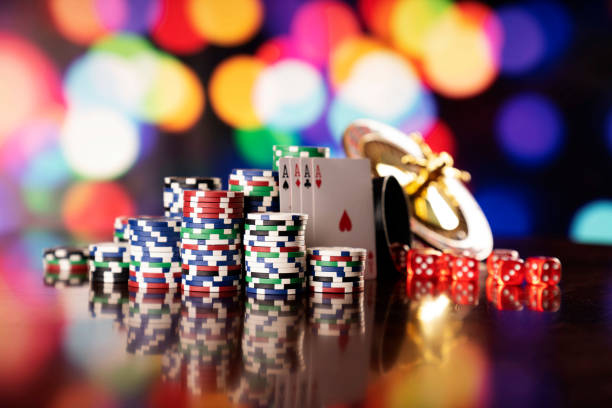
Moreover, the emotional responses triggered by gambling are often exacerbated by the stakes involved. High-stakes games can amplify feelings of anxiety and excitement, while lower-stakes games might provide a more casual experience that allows players to enjoy the atmosphere without the weight of heavy financial implications. This variability in emotional investment influences how players engage with different games and can significantly impact their overall gambling behavior. Emotional states can dictate not only the choice of games played but also the duration of play.
The social context of gambling can further intensify emotional responses. Playing alongside friends can enhance feelings of joy and camaraderie, while solitary gaming may lead to feelings of loneliness and isolation. These emotional experiences play a critical role in the allure of casinos, as the environment fosters a unique blend of excitement, social interaction, and emotional highs and lows that can be both compelling and dangerous. Recognizing the emotional components of gambling can help individuals manage their gaming habits more effectively.
Understanding Casino Gaming through Psychology
Exploring the psychology behind casino gaming reveals a complex interplay of environmental factors, cognitive biases, and emotional responses. By understanding how these elements interact, we can gain valuable insights into why people are drawn to gambling and the potential risks associated with it. This knowledge can help inform responsible gaming practices and promote awareness of the psychological traps that can lead to addiction. It emphasizes the need for self-awareness and mindful engagement when participating in gambling activities.
Casinos are not merely places of chance but rather environments designed to exploit human psychology. The targeted use of sensory stimulation, the manipulation of risk and reward, and the appeal of cognitive biases all contribute to the powerful allure of gaming. As a result, players must remain vigilant and informed about their motivations and tendencies when participating in casino activities. Understanding the design and psychological tactics used in casinos can empower players to make healthier choices.
For anyone interested in delving deeper into the psychology of gaming, understanding these dynamics can facilitate a healthier relationship with gambling. By recognizing the psychological influences at play, individuals can engage in gaming more mindfully, making informed decisions that prioritize enjoyment over compulsion. Ultimately, knowledge is a powerful tool in navigating the intricate world of casino gaming, allowing players to appreciate the entertainment value while minimizing potential risks.