



The Illusion of Control
Many people believe that they can control the outcomes of casino games through strategies or systems. This myth often leads players to think they can predict or alter the results, especially in games like slots or roulette. However, these games operate on random number generators or chance, meaning that each spin or hand is independent of the previous one. Understanding that luck plays a crucial role is essential for a realistic gambling experience, as it helps players manage their expectations and approach payid casino with a healthier mindset.
This illusion of control can be exacerbated by the presence of superstitions and rituals. Players might believe that wearing a certain lucky charm or following specific routines will increase their chances of winning. While these behaviors can enhance the entertainment aspect of gambling, they do not influence the actual probability of winning. Instead, players should focus on strategies that truly work, such as managing their bankroll wisely and understanding the rules of the games they play. This shift in perspective can lead to a more enjoyable and less stressful gambling experience.
In a broader sense, the myth of control can lead to dangerous gambling habits. When individuals believe they can influence outcomes, they may gamble more than they can afford, leading to significant financial problems. Recognizing that casino games are fundamentally based on chance allows players to maintain a healthier attitude towards gambling, emphasizing enjoyment rather than a pursuit of predictable victories. This understanding is crucial in preventing the potential pitfalls associated with gambling addiction and financial distress.
The “House Always Wins” Belief
Another powerful myth is that the house always wins, creating a sense of inevitability about losing while gambling. While it is true that casinos are designed to make a profit, this does not mean that players cannot win. In fact, many people enjoy substantial wins at various times, whether from progressive jackpots in slots or successful poker hands. Understanding the odds associated with each game can provide a clearer perspective on the chances of winning or losing, empowering players to make informed decisions rather than succumb to fatalism.
The belief that players are doomed to lose can deter newcomers from experiencing the thrill of gambling. In reality, many games have favorable odds, and skilled players can employ strategies to improve their chances. For instance, in blackjack, a knowledgeable player can use strategy charts to make informed decisions that will lessen the house edge. Thus, while the casino may have an advantage, it does not guarantee losses for players. This understanding can help foster a more balanced view of gambling, where players can enjoy both the thrill of the game and the possibility of winning.
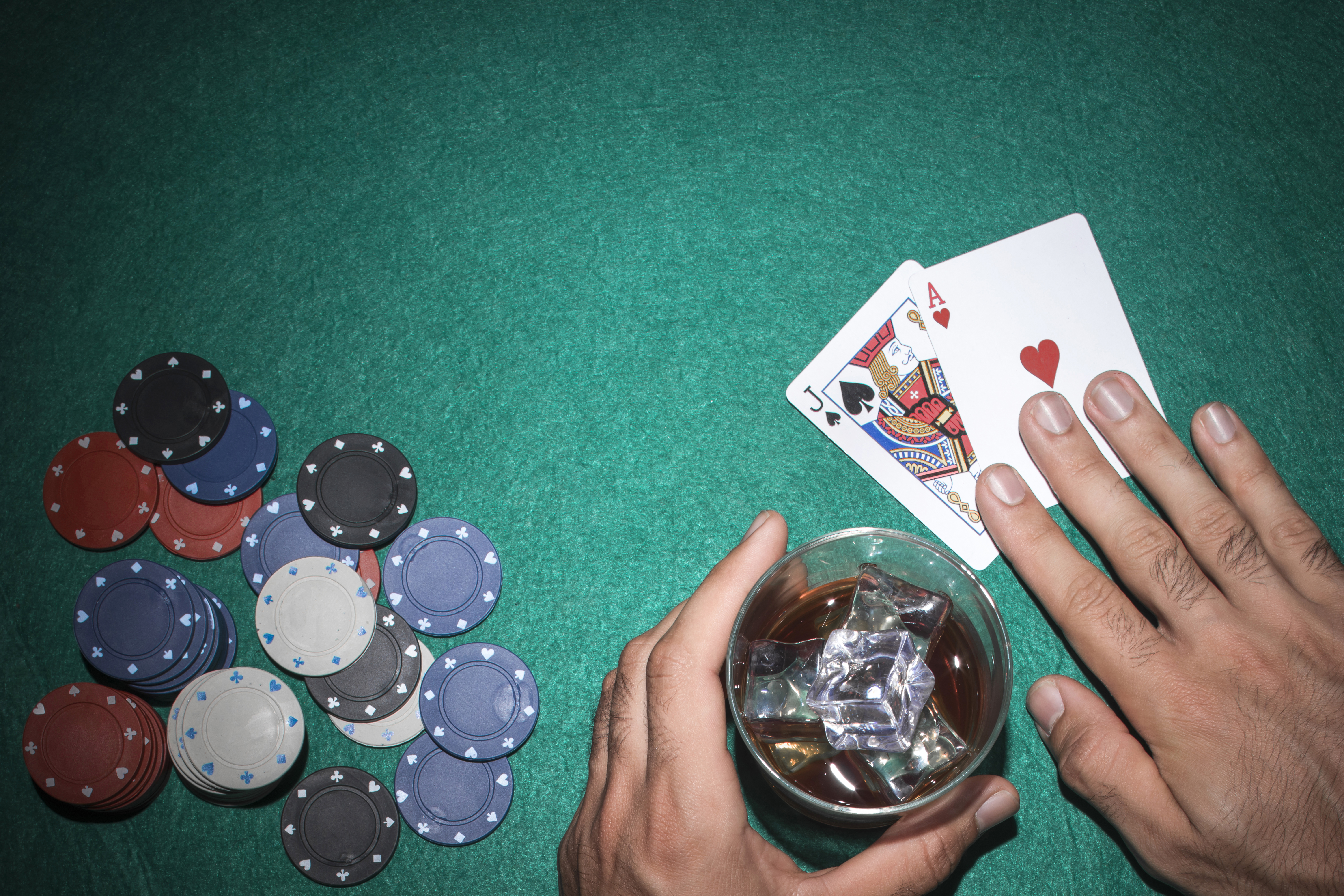
Moreover, the notion that “the house always wins” fails to recognize the joy of gambling itself. Many gamblers play not just to win money but for the excitement and social interaction that casinos provide. The engaging atmosphere, the thrill of the games, and the potential for occasional big wins contribute to the overall experience. Players should remember that it’s perfectly okay to enjoy gambling as a form of entertainment, even if winning is not guaranteed. This enjoyment can lead to a more positive and less stressful gambling experience, allowing individuals to savor the moment rather than fixate solely on outcomes.
The Misconception of Winning Streaks
A common misconception among casino-goers is the idea of winning streaks, where players feel they are on a lucky run and that this luck will continue. This belief can lead to reckless betting behaviors, as individuals may increase their wagers, convinced that good fortune will persist. However, the reality is that gambling outcomes are random, and past results do not influence future ones—a principle known as the gambler's fallacy. This misunderstanding can lead to emotional decision-making that jeopardizes players' finances.
The gambler's fallacy can mislead players into thinking that a game must "balance out" over time. For example, if a roulette wheel has landed on red several times in a row, some players may mistakenly believe that black is “due” for a win. This line of thinking is flawed, as each spin is independent of the last, and the odds remain constant. Understanding probability and remaining grounded in reality can help players avoid the pitfalls of chasing losing streaks or misplacing their trust in luck. Knowledge of the inherent randomness of games is essential for responsible gambling.
To combat the allure of winning streaks, players should focus on developing a disciplined gambling strategy. Setting limits on time and money spent can prevent emotional decisions driven by the thrill of wins. Additionally, understanding the importance of risk management can promote more responsible gambling behavior, ensuring that players can enjoy their time at casinos without falling victim to the myths surrounding winning streaks. By maintaining a balanced approach, players can appreciate the entertainment value of gambling while safeguarding their financial well-being.
Beliefs about Loyalty Programs
Many players enter casinos with the belief that loyalty programs guarantee rewards and consistent winnings. While these programs are designed to encourage player retention and can offer various perks, they do not inherently increase the likelihood of winning. Players must remember that loyalty points are often awarded based on the amount wagered rather than the amount won. Thus, while they might receive bonuses, these rewards do not translate to better odds or more chances to win. A clear understanding of how these programs operate can help players make more informed decisions.

Moreover, loyalty programs can create an illusion of value, encouraging players to gamble more to earn points. This can lead to overspending or chasing losses in an attempt to reach the next loyalty tier. Recognizing that these programs are a marketing tool rather than a guarantee of profitability is essential for players seeking to enjoy their experience responsibly. The best approach is to view loyalty rewards as an added benefit rather than a primary motivator for gambling. This mindset helps players enjoy their time at the casino without the pressure of accumulating points.
When approaching loyalty programs, it's crucial for players to prioritize their entertainment and bankroll management over accumulating points. By setting limits and enjoying the games, players can appreciate any rewards received without falling into the trap of believing that loyalty equates to guaranteed success. This perspective fosters a healthier approach to gambling, focusing on fun rather than overwhelming expectations. Ultimately, recognizing the true nature of loyalty programs can enhance the overall casino experience.
More Information on Responsible Gambling
For those looking to deepen their understanding of casino gambling, numerous resources are available that focus on responsible gambling practices. Many casinos have dedicated sections on their websites providing information on setting limits, recognizing problem gambling, and accessing support services. Learning about these topics can empower players to enjoy gambling as a form of entertainment rather than a financial burden. Such resources are invaluable in promoting a healthy gambling environment.
Additionally, online platforms often offer comprehensive guides that explain the odds of various games, helping players make informed decisions. Players can find insights into responsible betting strategies, budgeting techniques, and the psychological aspects of gambling. Such knowledge promotes a healthier relationship with gambling, ensuring that individuals engage in it purely for enjoyment and social interaction. By being informed, players can navigate the complexities of gambling with confidence.
Ultimately, the myths surrounding casino gambling can impact how players approach their experiences. Being informed and recognizing the reality of gaming can lead to a more enjoyable and responsible gambling experience. Whether visiting a physical casino or exploring online options, understanding these myths is crucial in fostering a safe and entertaining environment for all players. Engaging with reputable resources and staying aware of gambling practices can ensure that the experience remains enjoyable and within safe limits.